
Avoiding odometer fraud when buying a used car in 2026 comes down to verifying vehicle history through trusted sources like NMVTIS, comparing mileage with service records, and inspecting the vehicle’s condition for inconsistencies. A careful review of documentation, a thorough test drive, and awareness of common warning signs help ensure the mileage reflects real-world use across used cars, used trucks, and used SUVs. When every detail aligns, from records to performance, you can confidently choose a vehicle that matches its true wear and value.
At Autoland USA, we are here to help you navigate every step of the car-buying process with clarity and confidence. Whether you are shopping for a used vehicle, or exploring financing solutions, our team is ready to assist with sales, service, parts, and more. Contact Autoland USA today or visit us to get the guidance you need to make an informed decision.
What Is Odometer Fraud and Why Should Buyers Be Concerned?
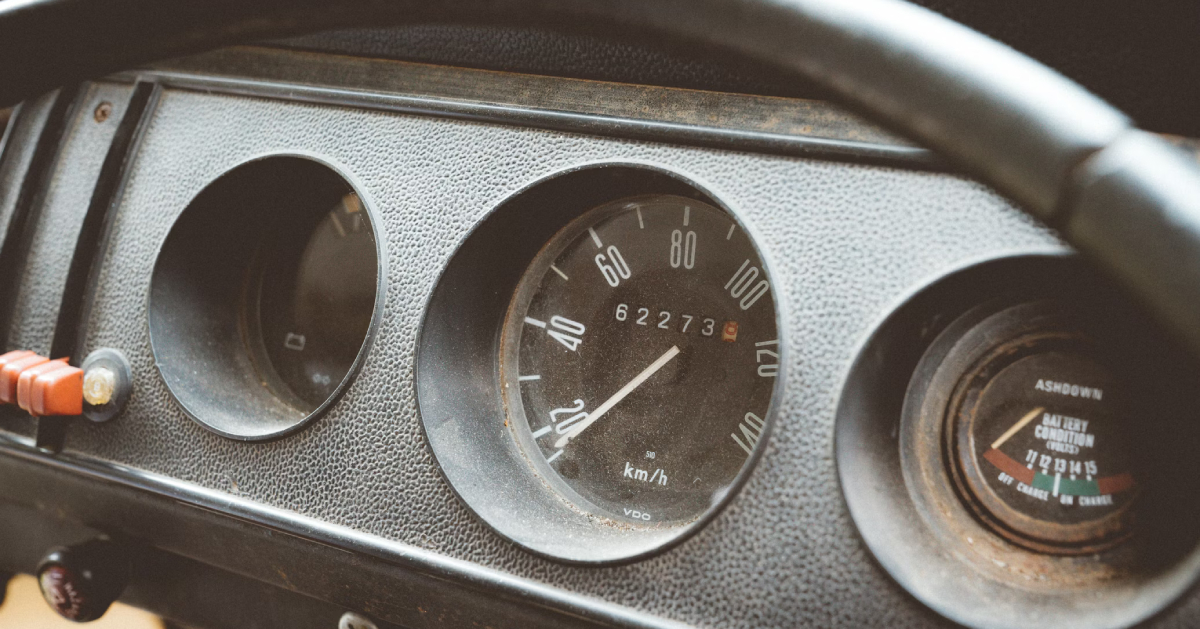
Odometer fraud happens when a vehicle’s mileage is altered or misrepresented to make it appear less used than it really is. This can involve digital manipulation or falsified records, creating a disconnect between what you see on the dashboard and the vehicle’s actual condition. For anyone learning how to avoid odometer fraud when buying used car 2026, understanding this gap is critical.
Mileage plays a central role in how used cars are evaluated, but when it is inaccurate, it can distort nearly every decision you make. What looks like a low-mileage vehicle may have already experienced years of wear.
Here is where the risk becomes real:
- Hidden mechanical stress – Components like suspension and braking systems may have more wear than expected
- Misleading pricing – You could pay more for a vehicle that does not match its perceived value
- Safety uncertainty – Key systems may not perform as expected for the displayed mileage
- Unclear vehicle history – Inconsistent records often point to larger issues beyond mileage alone
Even well-built vehicles rely on accurate mileage to reflect their true condition. If something feels off, it is worth slowing down and asking questions. For added confidence, Autoland USA can help you review a vehicle’s history and condition before you move forward.
What Are the Most Common Signs of Odometer Tampering?
Spotting the signs of odometer rollback on used vehicles often comes down to noticing when things do not quite line up. A truck may show low mileage on paper, but small details can quietly tell a different story once you take a closer look.
Physical Clues That Feel Off
Start with what you can see and touch. Wear does not lie.
- Seats that look heavily used despite low mileage
- Steering wheels or buttons with fading or smoothing from frequent use
- Brake or accelerator pedals that appear worn beyond expectations
Paperwork That Raises Questions
Documents should tell a consistent story, but gaps can signal trouble.
- Mileage that jumps or drops between records
- Missing service history with no clear explanation
- Conflicting numbers across registration or inspection documents
How the Vehicle Actually Feels
A short drive can reveal things that numbers cannot.
- A used truck that feels more worn than expected
- Performance or responsiveness that does not match the mileage shown
These signs do not always confirm tampering on their own, but together they create a pattern worth paying attention to. If you want a second opinion, the team at Autoland USA can help you look beyond the surface and make a more informed decision before committing.
How Can You Verify a Used Car’s True Mileage Before Buying?
Learning how to check odometer fraud on a used car starts with building a complete, consistent picture. No single source tells the full story, especially when evaluating used SUVs, so the goal is to connect multiple records and see if they align.
Start With Verified Data Sources
Reliable records should be your first checkpoint.
- NMVTIS-backed vehicle history reports, which include title data and recorded odometer readings
- New York inspection records, where mileage is documented over time
Compare Maintenance History
Service records often reveal patterns that dashboards cannot.
- Routine entries like oil changes and tire rotations should show steady mileage increases
- Dates and mileage should move forward logically, without sudden resets or gaps
Look for Consistency Across Everything
The key is not just collecting information, but making sure it all fits together.
- Records, condition, and usage should tell the same story
- Any mismatch, even a small one, deserves a closer look
Verifying mileage takes patience, but it can prevent costly surprises later. If you want help reviewing records or making sense of what you find, Autoland USA can walk you through the process and help you move forward with confidence.
How Do Vehicle Features and Technology Help Detect or Prevent Fraud?
Modern systems add another layer of insight when evaluating used cars, especially for buyers focused on how to avoid odometer fraud when buying used car 2026. While technology does not eliminate fraud entirely, it creates more data points that are harder to ignore when something feels inconsistent.
Connected Systems Leave a Digital Trail
Many vehicles now store and display information beyond basic mileage.
- Remote access and connected apps can show vehicle status and usage history
- Digital dashboards and infotainment systems may reflect patterns of use over time
These details can support or challenge what the odometer shows.
Driver Assistance Systems Reflect Real Usage
Advanced features rely on sensors and consistent calibration, which can reveal how a vehicle has been used.
- Adaptive cruise control and steering assistance systems should operate smoothly
- Features like automatic emergency braking and blind spot monitoring depend on accurate sensor performance
If these systems behave unpredictably or feel out of sync, it may signal a deeper mismatch between condition and reported mileage.
Technology works best when combined with careful inspection and documentation. If you want help evaluating both the digital and physical side of a vehicle, Autoland USA can guide you through what to look for before making a decision.
Why Does Reliability Matter When Evaluating Mileage Claims?
Mileage only tells part of the story. Reliability helps you understand what those miles actually mean in real-world use, especially when evaluating used trucks that are often exposed to heavier workloads and tougher conditions.
Durability Sets Expectations
Some vehicles are built and tested to handle demanding environments, which creates a baseline for how they should age.
- Exposure to extreme conditions such as high-pressure water and sand
- Repeated stress from uneven roads or potholes
- Long-term testing of structural components and seals
When a vehicle is designed this way, its condition should generally reflect its recorded mileage.
When Things Do Not Add Up
This is where reliability becomes a useful reference point.
- A durable vehicle showing excessive wear at low mileage can be one of the signs of odometer rollback on used vehicles
- Interior, mechanical feel, and overall condition may not match what is expected
Context Matters in Comparisons
Not all vehicles age the same way, so understanding how a model is built helps you spot inconsistencies faster. If something feels off compared to what you would expect from a well-tested vehicle, it is worth a closer look.
If you want help evaluating whether a vehicle’s condition aligns with its mileage, Autoland USA can provide a second perspective before you make a commitment.
What Role Do Safety Features Play in Identifying a Well-Maintained Vehicle?
Safety systems can quietly reveal how well a vehicle has been cared for over time. When learning how to check odometer fraud on a used car, these features offer real-time feedback that paperwork alone cannot provide, especially when evaluating used SUVs.
Consistent Performance Signals Proper Care
Many safety features rely on sensors and precise calibration. When everything is functioning as expected, it often reflects steady maintenance.
- Automatic Emergency Braking with Pedestrian Detection should respond smoothly in changing traffic conditions
- Blind Spot Warning should activate consistently when another vehicle enters the detection zone
- Lane Departure Warning should provide timely and accurate alerts
These systems depend on proper alignment and upkeep, which makes them useful indicators.
Irregular Behavior Can Raise Questions
When safety features do not behave as expected, it can point to underlying concerns.
- Sensors may be misaligned due to past impacts or wear
- System responses may feel delayed or inconsistent
- Performance may not match the vehicle’s reported condition
A quick drive can reveal these differences without needing specialized tools. If you want help evaluating whether safety systems are functioning the way they should, Autoland USA can assist you in taking a closer look before making a final decision.
How Can a Test Drive Reveal Hidden Mileage Issues?
A test drive brings everything together. It turns numbers on a screen into a real experience, which is essential for anyone focused on how to avoid odometer fraud when buying used car 2026. When evaluating used cars, the way a vehicle feels on the road can quickly confirm or challenge what the mileage suggests.
What to Pay Attention to While Driving
Focus on how the vehicle responds in everyday situations, not just how it looks parked.
- Acceleration should feel smooth and consistent, not strained or uneven
- Transmission behavior should be seamless, without hesitation or unusual noise
- Ride quality should handle bumps without excessive vibration or instability
Small Details That Add Up
Sometimes it is the subtle things that reveal the most.
- Unusual sounds when turning, braking, or accelerating
- Delayed response from controls or dashboard inputs
- A general sense that the vehicle feels more “used” than expected
A well-maintained vehicle should feel aligned with its mileage, not ahead of it. If something feels off, trust that instinct and take a closer look. For added confidence, Autoland USA can help you evaluate what you are experiencing and decide your next step with clarity.
What Steps Should You Take to Protect Yourself Before Finalizing a Purchase?
Before committing to any vehicle, it is worth slowing down and making sure every detail holds up under closer inspection. This final step is where many buyers catch the signs of odometer rollback on used vehicles, especially when evaluating used trucks that may have seen heavier use over time.
Key Checks Before You Sign
A structured approach can help you avoid costly mistakes.
- Confirm VIN consistency – Make sure the VIN matches across the vehicle, title, and all supporting documents
- Review official records carefully – Compare NMVTIS reports and inspection records to ensure mileage progresses logically
- Request complete service documentation – Look for regular maintenance without unexplained gaps or missing periods
- Ask direct, specific questions – Clarify past usage, ownership history, and any prior repairs
Trust the Full Picture
No single detail should carry all the weight. Records, condition, and performance should all align. If even one piece feels out of place, it is worth pausing and taking a deeper look before moving forward.
For added peace of mind, Autoland USA can help you review everything one last time so you can move ahead with confidence and avoid unnecessary risk.
What are the warning signs that a used car's odometer has been rolled back?
Warning signs include worn interior surfaces (seats, steering wheel, buttons) that do not match low mileage, excessively worn pedals, exterior wear inconsistent with the odometer reading, gaps or inconsistencies in service records, conflicting mileage across documents, and a driving experience that feels more worn than expected.
How can I use a vehicle history report to check for odometer fraud?
You can use NMVTIS-backed vehicle history reports to review recorded odometer readings, title data, and salvage history, then compare those records with inspection data and service history to confirm that mileage increases consistently over time without gaps or discrepancies.
What legal protections exist for buyers who discover odometer fraud after purchase?
Buyers are protected under the Federal Odometer Act and New York State laws, which allow victims to pursue compensation, including up to three times actual damages or $10,000, and take legal action for fraud. In New York, odometer tampering is a criminal offense, and buyers may seek remedies such as contract rescission, refunds, or filing claims through small claims court, while also reporting the issue to the Attorney General or DMV fraud unit.
How do I verify the actual mileage on a used car before buying?
Verify mileage by checking NMVTIS reports and inspection records, reviewing service history for consistent mileage progression, and ensuring the vehicle’s condition and driving feel align with the reported mileage.
What should I ask a dealer to prove a used car's mileage is accurate?
Ask for NMVTIS vehicle history reports, complete service and maintenance records, inspection history showing recorded mileage over time, and clarification on ownership history and past usage to confirm consistency across all documents.
Find a Used Vehicle You Can Trust at Autoland USA
Avoiding odometer fraud comes down to verifying records, checking consistency, and trusting what the vehicle tells you in person. When everything aligns, from documentation to real-world conditions, you can move forward with confidence.
Drivers from Lancaster, Palmdale, LakeView, and Acton can explore a wide selection of used vehicles at Autoland USA. Whether you are comparing SUVs or narrowing down your next purchase, our team is here to help you make a well-informed decision. Contact Autoland USA today to get started.
If you are still exploring your options, take a closer look at related topics like used SUV reliability, SUV towing capabilities, and off-road pickup options. These resources can help you better understand how different vehicles perform and which one fits your needs best.
Contact Autoland USA
Get Directions to Autoland USA
Disclaimer: All information is provided for general informational and entertainment purposes only. While we strive for accuracy, we cannot guarantee that all content is complete, current, or error-free. Any reliance you place on such information is strictly at your own risk. This article may include opinions and is not endorsed by, or officially affiliated with, any vehicle manufacturer or brand. Always consult official sources – such as the vehicle’s owner’s manual, authorized dealerships, or certified professionals – for the most up-to-date and personalized information.